
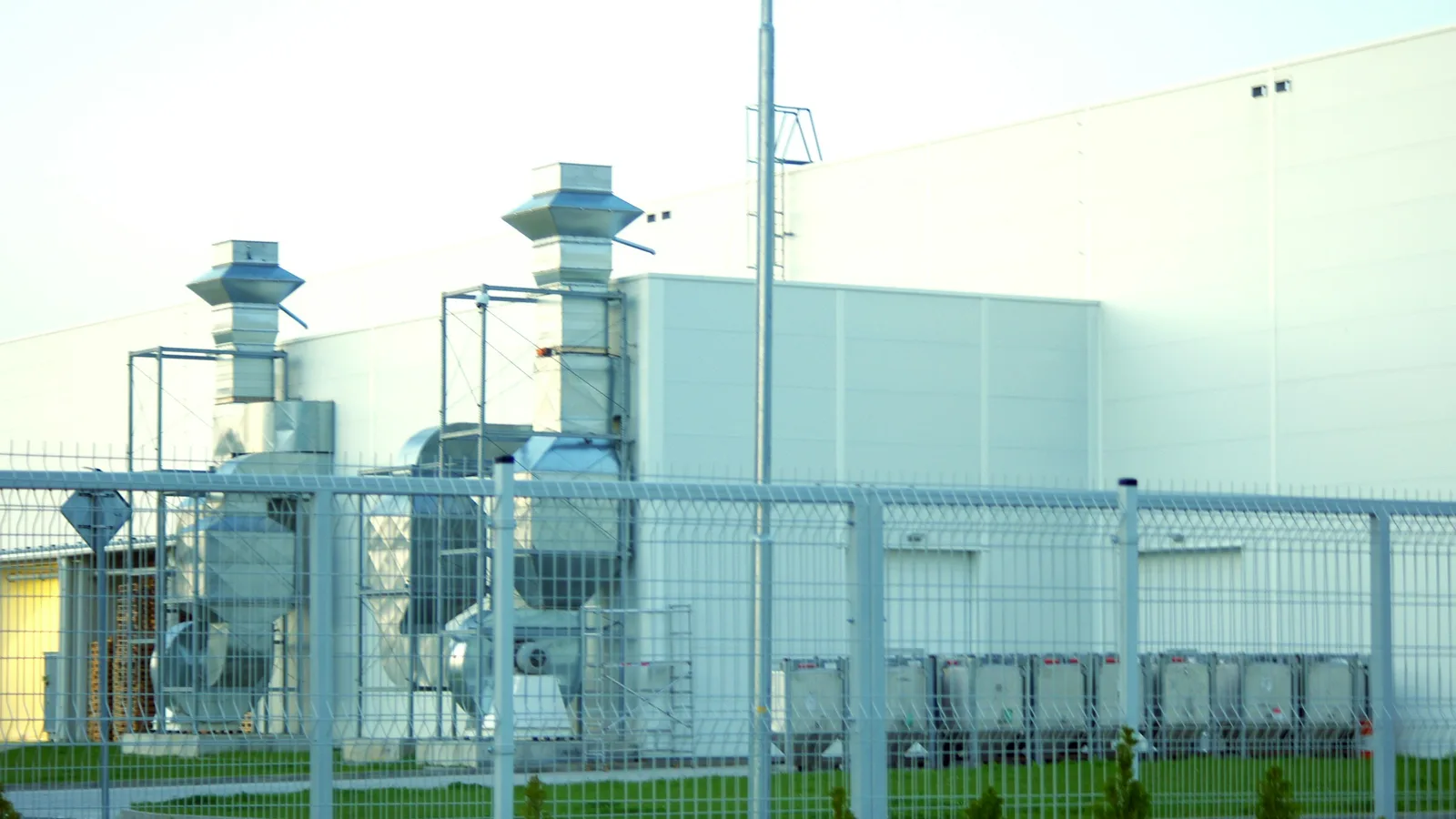
Commercial structural drying & dehumidification in Sacramento, CA
Commercial structural drying and dehumidification in Sacramento, CA uses air movers, dehumidifiers and moisture monitoring to dry floors, walls and ceilings after a water loss. Larger spaces, concrete and layered finishes hold moisture, so drying continues until readings reach the dry standard, not for a fixed number of days.
What equipment dries a commercial space?
Air movers push dry air across wet surfaces, and dehumidifiers pull the moisture out of the air so it can keep absorbing more. Large buildings sometimes use trailer-mounted or heavy-duty dehumidifiers with ducting. Equipment is placed according to the measured wet areas, not by a formula. Commercial structural drying is planned around the building: how large the space is, what the floors and walls are made of, and how long they take to reach readings that match the dry standard.
Why does drying a larger building take planning?
There is more air to treat, more materials, and often more constraints: electrical capacity for the equipment, noise during business hours, shared HVAC, and access to occupied suites. Concrete floors under carpet or tile release water slowly. A drying plan sets equipment, power, and a monitoring schedule before work starts.
How do you know a building is dry?
By measuring. Moisture content readings of affected materials are compared with a dry standard, which is set by readings from unaffected areas of the same material. Equipment is removed when readings confirm the dry goal. The EPA advises drying within 24 to 48 hours to prevent mold growth, so start early.
What happens to carpet, ceiling tile and insulation?
Some can be dried, some cannot. Clean-water-wet carpet can sometimes be lifted and dried; ceiling tile and insulation that absorbed water are often replaced; contaminated materials are removed. See commercial water damage restoration for the whole process.
For more on timelines, read how long structural drying takes and when mold starts after water damage. Homes are covered under structural drying.
Commercial structural drying: common questions
How long will drying take?
It depends on materials, water volume and conditions. We do not give a number before inspection.
Will the equipment be loud?
Yes, air movers and dehumidifiers make noise. Placement and scheduling can reduce disruption.
Can drying equipment trip my breakers?
It can, which is why power draw is planned before the equipment is placed.
Is the building safe during drying?
Usually, once any contaminated materials are removed. That is assessed first.
Related services
Where is commercial structural drying and dehumidification in Sacramento, CA available?
Serving 24 communities across Sacramento, CA and surrounding areas.
Find your city to read local flood history, climate and housing context, then call. Select Map on any card to open it in Google Maps.
Skip the map and go to the city list- Sacramento, CASacramento CountyMap
- Elk Grove, CASacramento CountyMap
- Roseville, CAPlacer CountyMap
- Folsom, CASacramento CountyMap
- Rancho Cordova, CASacramento CountyMap
- Citrus Heights, CASacramento CountyMap
- Carmichael, CASacramento CountyMap
- Davis, CAYolo CountyMap
- West Sacramento, CAYolo CountyMap
- Natomas, CASacramento CountyMap
- Arden-Arcade, CASacramento CountyMap
- Orangevale, CASacramento CountyMap
- Fair Oaks, CASacramento CountyMap
- Lincoln, CAPlacer CountyMap
- Rocklin, CAPlacer CountyMap
- Galt, CASacramento CountyMap
- Woodland, CAYolo CountyMap
- Auburn, CAPlacer CountyMap
- Antelope, CASacramento CountyMap
- Rio Linda, CASacramento CountyMap
- Gold River, CASacramento CountyMap
- Loomis, CAPlacer CountyMap
- Granite Bay, CAPlacer CountyMap
- North Highlands, CASacramento CountyMap