
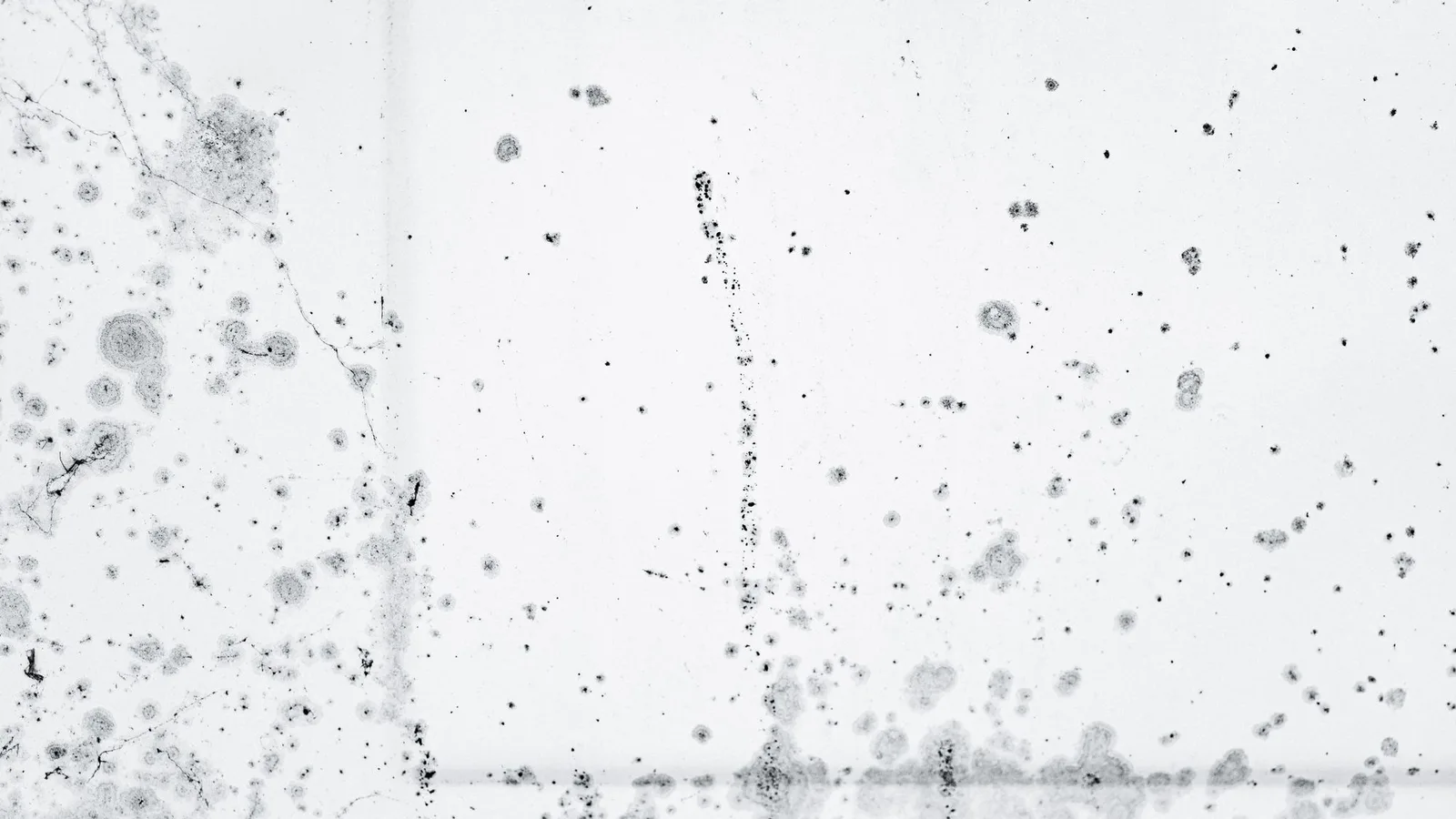
Mold remediation in Sacramento, CA
Mold remediation in Sacramento, CA after water damage means two jobs done together: removing the mold growth safely and fixing the moisture that fed it. If the water problem is not solved, mold comes back no matter how well the surface was cleaned. This page explains how remediation works, when you can handle it yourself, and what California law says for renters.
When can you clean mold yourself, and when do you need help?
The EPA uses size as the first test. If the moldy area is less than about 10 square feet, roughly a 3 foot by 3 foot patch, most homeowners can handle it themselves following EPA cleanup guidance. Bring in a professional when:
- The growth is larger than about 10 square feet, or it keeps coming back.
- There was a lot of water damage, or the water was sewage or floodwater.
- Mold may be inside the heating and air conditioning system; the EPA says not to run the HVAC if you suspect it is contaminated.
- Anyone in the home has asthma, allergies or a weakened immune system and is worried about exposure.
For small jobs, the EPA advises scrubbing mold off hard surfaces with detergent and water and drying completely, wearing gloves, goggles and an N 95 respirator, and never painting or caulking over mold.
How does professional mold remediation work?
- Find and fix the moisture source. A roof leak, plumbing leak, condensation or wet crawlspace. Remediation without this step is temporary.
- Containment. Plastic sheeting separates the work area, and air filtration with HEPA filters under negative pressure helps keep spores from spreading to clean rooms.
- Removal of porous materials with growth on them, such as drywall, insulation, carpet and ceiling tiles. The EPA notes mold can fill the crevices of porous materials and may be impossible to remove completely.
- Cleaning of hard surfaces such as framing and concrete, followed by HEPA vacuuming of the area.
- Drying of the structure to normal moisture levels; see structural drying.
- Verification. A visual check that growth and debris are gone and that materials are dry before walls are closed.
Do you need mold testing?
Usually not when mold is visible. The EPA says that in most cases, if visible mold growth is present, sampling is unnecessary, and that no EPA or other federal limits have been set for mold or mold spores, so a test cannot show a building passes a federal standard. Surface sampling can be useful afterward to check whether an area was adequately cleaned, and it should be done by someone with specific experience designing sampling protocols.
Where does mold grow in Sacramento area homes?
- Behind and under sinks, dishwashers and washers, after slow leaks nobody saw.
- Ceilings and attics after winter roof leaks, which show up once the rainy season starts.
- Crawlspaces under raised floor homes, common in older neighborhoods, when plumbing leaks or runoff pool under the house.
- Air conditioning drip pans and condensate lines during the long cooling season; the EPA recommends keeping drip pans clean and drain lines flowing.
- Bathrooms and closets on exterior walls, where indoor humidity condenses. The EPA suggests keeping indoor humidity below 60 percent, ideally 30 to 50 percent.
Any area that stayed wet for more than a day or two after a leak is a candidate. The EPA advises drying water damaged materials within 24 to 48 hours to prevent growth, which is why fast water damage cleanup is the best mold prevention there is.
What does California law say about mold in a rental?
California Health and Safety Code section 17920.3 lists visible mold growth, as determined by a health officer or code enforcement officer, among the conditions that can make a building substandard, excluding minor mold on surfaces that normally get wet, such as a shower. Dampness of habitable rooms is also listed. Tenants should report leaks and mold to the landlord in writing; landlords and managers can see property management and HOA water damage. Local code enforcement handles complaints.
Will insurance pay for mold remediation?
The California Department of Insurance says mold damage caused by a covered peril may be covered, but it also warns that water damage showing leakage over a period of time may already have mold, and long term leaks are commonly excluded. Report water damage promptly. We document the moisture source, the affected area and what was removed; see insurance claims help.
How can you tell if there is hidden mold?
- A musty, earthy smell in a room or closet with no visible growth.
- Stains, bubbling paint or peeling wallpaper on walls and ceilings that were once wet.
- Warped baseboards or flooring near a bathroom, kitchen or laundry.
- A past leak that was mopped up but never dried with equipment.
The EPA cautions that disturbing hidden growth can release a lot of spores; removing wallpaper with mold on its underside, for example, can cause a massive release. It suggests considering an experienced professional for a suspected hidden problem.
Does mold in air ducts need cleaning?
If the heating and air conditioning system is part of a moisture problem, or there is mold near the system’s intake, the EPA refers homeowners to its guide on whether to have air ducts cleaned before taking further action, and it advises not running a system you suspect is contaminated. Duct cleaning alone does not fix mold if the moisture source in the system, such as a wet coil or drain pan, is not corrected.
How do you prevent mold after a leak?
- Stop the water and start drying the same day; the EPA’s window is 24 to 48 hours.
- Remove wet carpet pad and soaked insulation rather than hoping they dry.
- Use dehumidifiers and keep indoor humidity under 60 percent.
- Do not close a wall or reinstall flooring until moisture readings say materials are dry.
- Run bathroom fans during and after showers and vent dryers outdoors.
- Check under sinks, around the water heater and the AC drain line a few times a year.
Mold remediation: common questions
How big a mold problem can I clean myself?
The EPA says most homeowners can handle an area smaller than about 10 square feet, roughly 3 feet by 3 feet, if the water was clean and they follow its cleanup guidance.
Should I test for mold before remediation?
Usually not if mold is visible. The EPA says sampling is generally unnecessary when growth is visible, and there are no federal limits to test against.
Can I paint over mold?
No. The EPA advises cleaning and drying the surface first; paint over mold is likely to peel and does not remove the growth.
Is visible mold a code violation in a California rental?
It can be. Health and Safety Code 17920.3 lists visible mold growth, as determined by a health officer or code enforcement officer, as a substandard condition, with exceptions for minor mold on surfaces meant to get wet.
Will mold come back after remediation?
It can if the moisture source is not fixed. Remediation always starts with stopping the leak, condensation or water intrusion that fed the growth.
Related services
Related reading
Where is mold remediation in Sacramento, CA available?
Serving 24 communities across Sacramento, CA and surrounding areas.
Find your city to read local flood history, climate and housing context, then call. Select Map on any card to open it in Google Maps.
Skip the map and go to the city list- Sacramento, CASacramento CountyMap
- Elk Grove, CASacramento CountyMap
- Roseville, CAPlacer CountyMap
- Folsom, CASacramento CountyMap
- Rancho Cordova, CASacramento CountyMap
- Citrus Heights, CASacramento CountyMap
- Carmichael, CASacramento CountyMap
- Davis, CAYolo CountyMap
- West Sacramento, CAYolo CountyMap
- Natomas, CASacramento CountyMap
- Arden-Arcade, CASacramento CountyMap
- Orangevale, CASacramento CountyMap
- Fair Oaks, CASacramento CountyMap
- Lincoln, CAPlacer CountyMap
- Rocklin, CAPlacer CountyMap
- Galt, CASacramento CountyMap
- Woodland, CAYolo CountyMap
- Auburn, CAPlacer CountyMap
- Antelope, CASacramento CountyMap
- Rio Linda, CASacramento CountyMap
- Gold River, CASacramento CountyMap
- Loomis, CAPlacer CountyMap
- Granite Bay, CAPlacer CountyMap
- North Highlands, CASacramento CountyMap