
Water damage categories 1, 2 and 3 explained
Water damage categories come from the ANSI/IICRC S500 standard, which classifies water by contamination level. Category 1 comes from a sanitary source, Category 2 has significant contamination, and Category 3 is grossly contaminated, such as sewage or floodwater. The category decides what can be dried and what must be removed. Category 2 is what many people call gray water.
Category 1: sanitary source
Water from a clean source, such as a broken supply line, a sink overflow with clean water or rain through a roof opening before it crosses contaminated materials. Category 1 is the lowest risk, but it does not stay that way: water that sits, or crosses dirty materials, can become more contaminated.
Category 2: significant contamination
Water with significant contamination that could cause discomfort or illness, such as water from a washing machine or dishwasher discharge. Porous materials that have absorbed it may need removal.
Category 3: grossly contaminated
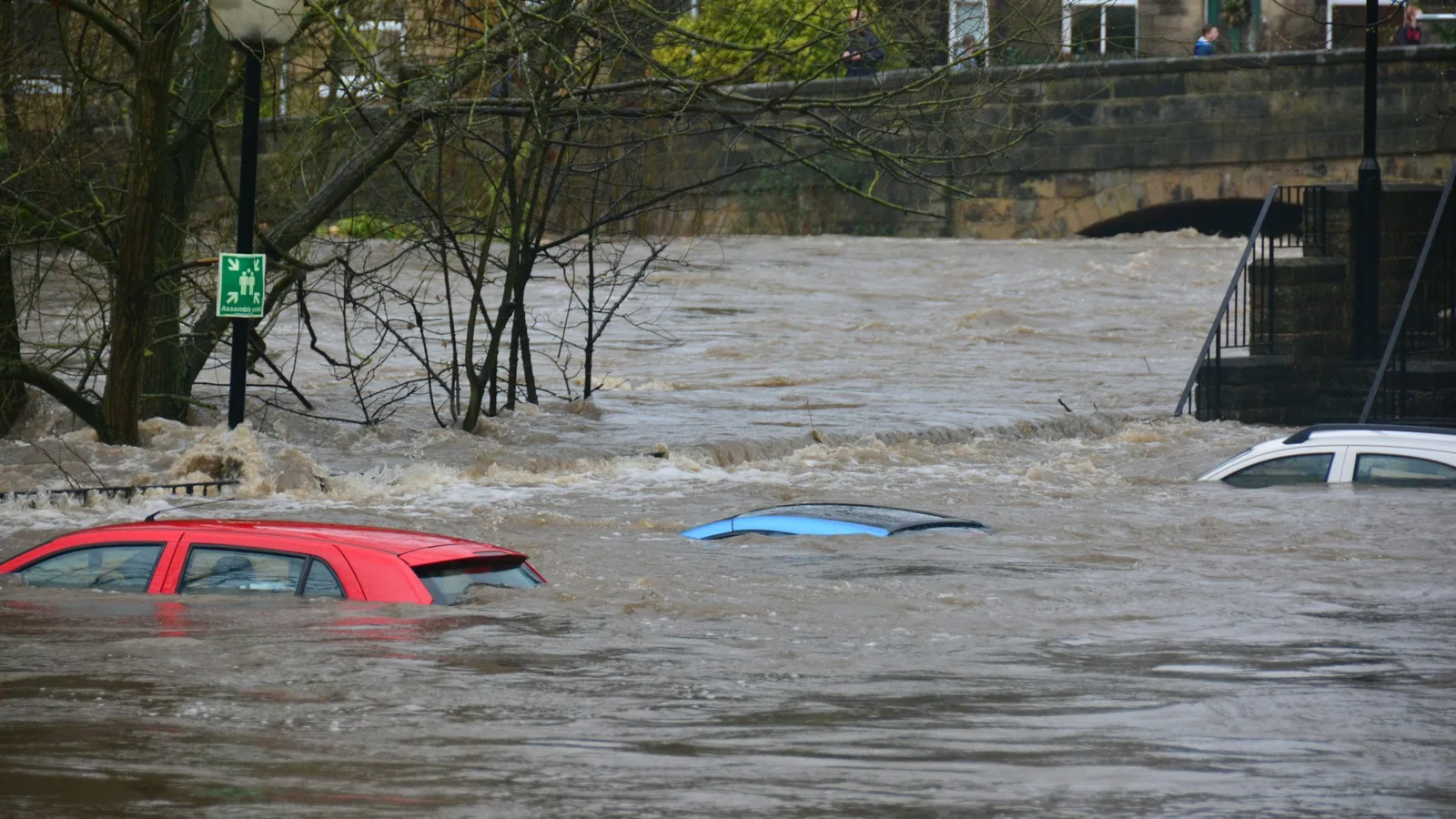
The S500 framework places sewage and floodwater in Category 3. It may carry pathogens and chemicals. Porous materials are usually removed and discarded, and surfaces are cleaned and disinfected. See sewage cleanup and flood cleanup.
Categories versus classes
Categories describe contamination. The S500 also defines classes that describe how much water and how porous the materials are, which guides drying equipment. A Category 1 loss can be a Class 3 or 4 drying job if lots of water went into materials.
Why it matters to you
The category affects safety, what is discarded, cost and what your insurer needs to see. A technician should explain the category they have assigned and why. Photographs help. The IICRC also publishes a position statement on the category of water and weather-related events for the 2021 S500 edition.
Related guides: when mold starts after water damage and what to do in the first 24 hours after water damage. By category: water extraction for clean water, sewage backup cleanup and flood cleanup for contaminated water, and commercial sewage cleanup for businesses.
Quick answers: water damage categories
Is rainwater Category 1?
It depends on what it passed through. Rain entering a house after crossing roofs, attics or insulation may be more contaminated.
Can Category 1 water become Category 3?
The framework recognizes that water can degrade over time, which is a reason to act quickly.
Who decides the category?
A trained technician assesses it, using the source and conditions.