
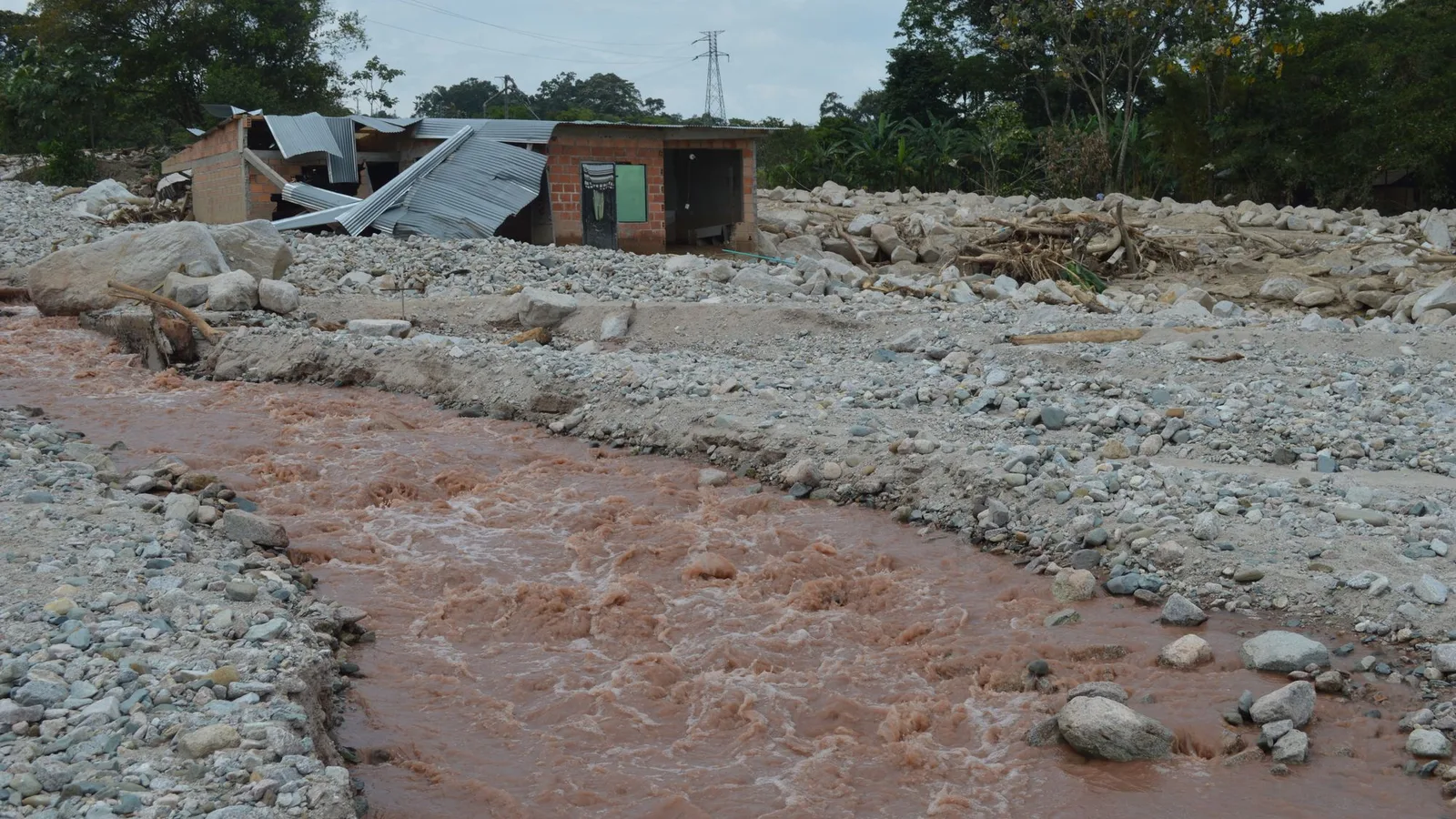
Sewage backup cleanup in Sacramento, CA
Sewage backup cleanup in Sacramento, CA is the removal and disinfection of wastewater that has come up through a toilet, tub, shower or floor drain. Sewage carries bacteria and viruses, so porous materials it touched are removed, every surface is cleaned and disinfected, and the area is dried and checked before anyone uses it again.
Why is a sewer backup treated differently from a clean water leak?
Water from a supply line is clean when it leaves the pipe. Sewage is black water from the start. The EPA advises that when water or mold damage was caused by sewage or other contaminated water, homeowners should call in a professional with experience cleaning buildings damaged by contaminated water. That changes the whole job:
- Carpet, pad, upholstered items, mattresses, wet insulation and the lower section of wet drywall are removed and bagged, not dried and kept.
- Hard surfaces such as tile, sinks, tubs, framing and concrete are cleaned of solids, then disinfected.
- The work area is separated from the rest of the house, and the HVAC system is kept off if it may be contaminated.
- Drying and moisture readings follow the cleaning, and the job is not finished until materials are dry; see structural drying.
Who is responsible for the sewer line outside my house?
It depends on who provides your sewer service and which part of the pipe failed. The Sacramento Area Sewer District, now called SacSewer, says it owns and maintains the lower lateral, which begins somewhere in the public right of way or sewer easement, often at a cleanout near the street with a cap marked “sewer”. The property owner owns the upper lateral from the house to that point and is responsible for keeping it in good condition. SacSewer takes sewer problem reports 24 hours a day at (916) 875 6730 and can help you identify where your responsibility begins.
Inside the city of Sacramento, the City’s Department of Utilities collects sewage for about two thirds of the area inside city limits. In Placer County towns, other districts apply; in Loomis, for example, the South Placer Municipal Utility District provides sewer service and some outlying parcels use septic systems.
What causes sewage backups in the Sacramento region?
- Roots and broken laterals in older clay and cast iron lines, common in mid century neighborhoods.
- Grease, wipes and debris that build into a blockage in the building drain.
- Storm overload in the combined sewer. Sacramento’s older central city is served by a combined system that carries both sewage and stormwater. The City’s general plan utilities report says that when its pipelines exceed capacity in big storms, flows can flood local streets through maintenance holes and catch basins, and low drains in nearby buildings are the most exposed.
- Septic failures on rural parcels, where a full tank or saturated leach field pushes wastewater back into the house.
A backwater valve, installed by a plumber on the building sewer, lets wastewater flow out and closes if it tries to flow back.
What should you do the moment sewage comes up?
- Stop using water in the house: no flushing, showers, laundry or dishwasher, because everything you send down comes back up.
- Keep children, pets and anyone with a weakened immune system out of the area.
- Shut off power to the affected room if water is near outlets, from a dry location.
- Do not run the central heating or air if the backup reached vents or the air handler.
- Call your sewer agency if the problem may be in the public line, and a plumber for your side.
- Photograph everything, then leave cleanup of soaked materials to a crew with protective equipment.
Does insurance cover a sewage backup?
Policies vary more here than for most water losses. Many homeowners policies limit or exclude water that backs up through sewers or drains unless an endorsement was added, and floodwater that enters a sewer is usually a flood claim instead. Ask your agent which applies. SacSewer also notes that private sewer line insurance only covers the part of the system you are responsible for. We document the source, the extent and every item removed; see insurance claims help.
Sewer or septic: what changes if you have a septic system?
On a septic system, a backup usually means the tank is full, the outlet is blocked or the leach field is saturated, often after heavy rain. Pumping the tank may be needed before plumbing can be used again, and the septic contractor should inspect the system. The cleanup inside the house is the same as for a sewer backup. Placer County Environmental Health oversees septic systems in unincorporated areas and publishes operation and maintenance guidance for owners.
Which belongings can be saved after a sewage backup?
- Usually discarded: carpet and pad, mattresses, upholstered furniture, stuffed toys, pillows, cardboard boxes and anything porous that soaked up sewage.
- Often cleanable: hard plastics, glass, metal, sealed wood furniture and ceramic, after washing and disinfecting.
- Case by case: clothing and linens that can be laundered in hot water, important documents and photos.
Photograph every discarded item and keep a list for your insurer.
How can you reduce the chance of another backup?
- Do not flush wipes, even ones labeled flushable, paper towels or hygiene products.
- Keep cooking grease and oil out of sinks; let it cool and throw it in the trash.
- Have a plumber camera inspect an older lateral, especially if drains gurgle or slow down after heavy use.
- Ask a plumber whether a backwater valve suits your building sewer, particularly if your lowest drains sit near street level.
- Know where your cleanout is so a plumber or the sewer agency can reach the line quickly.
Sewage backup cleanup: common questions
Can sewage soaked carpet be cleaned?
Generally no. Carpet and pad soaked by sewage are removed and discarded. Hard surfaces are cleaned and disinfected.
Who fixes the sewer line between my house and the street?
In SacSewer's area, the owner is responsible for the upper lateral from the house to a point in the right of way or easement, often marked by a cleanout labeled sewer. SacSewer maintains the lower lateral beyond that.
What number do I call for a sewer problem in SacSewer's area?
SacSewer takes sewer problem reports 24 hours a day at (916) 875 6730.
Why did sewage come up my shower drain during a storm?
In combined or overloaded systems, storm flow can push wastewater back toward the lowest drains. A plumber can check whether a backwater valve fits your building sewer.
Is it safe to stay in the house during sewage cleanup?
Keep people and pets out of the affected rooms until cleaning and disinfection are done. Others in the home should avoid the work area and the HVAC should stay off if it may be contaminated.
Related services
Related reading
Where is sewage backup cleanup in Sacramento, CA available?
Serving 24 communities across Sacramento, CA and surrounding areas.
Find your city to read local flood history, climate and housing context, then call. Select Map on any card to open it in Google Maps.
Skip the map and go to the city list- Sacramento, CASacramento CountyMap
- Elk Grove, CASacramento CountyMap
- Roseville, CAPlacer CountyMap
- Folsom, CASacramento CountyMap
- Rancho Cordova, CASacramento CountyMap
- Citrus Heights, CASacramento CountyMap
- Carmichael, CASacramento CountyMap
- Davis, CAYolo CountyMap
- West Sacramento, CAYolo CountyMap
- Natomas, CASacramento CountyMap
- Arden-Arcade, CASacramento CountyMap
- Orangevale, CASacramento CountyMap
- Fair Oaks, CASacramento CountyMap
- Lincoln, CAPlacer CountyMap
- Rocklin, CAPlacer CountyMap
- Galt, CASacramento CountyMap
- Woodland, CAYolo CountyMap
- Auburn, CAPlacer CountyMap
- Antelope, CASacramento CountyMap
- Rio Linda, CASacramento CountyMap
- Gold River, CASacramento CountyMap
- Loomis, CAPlacer CountyMap
- Granite Bay, CAPlacer CountyMap
- North Highlands, CASacramento CountyMap